
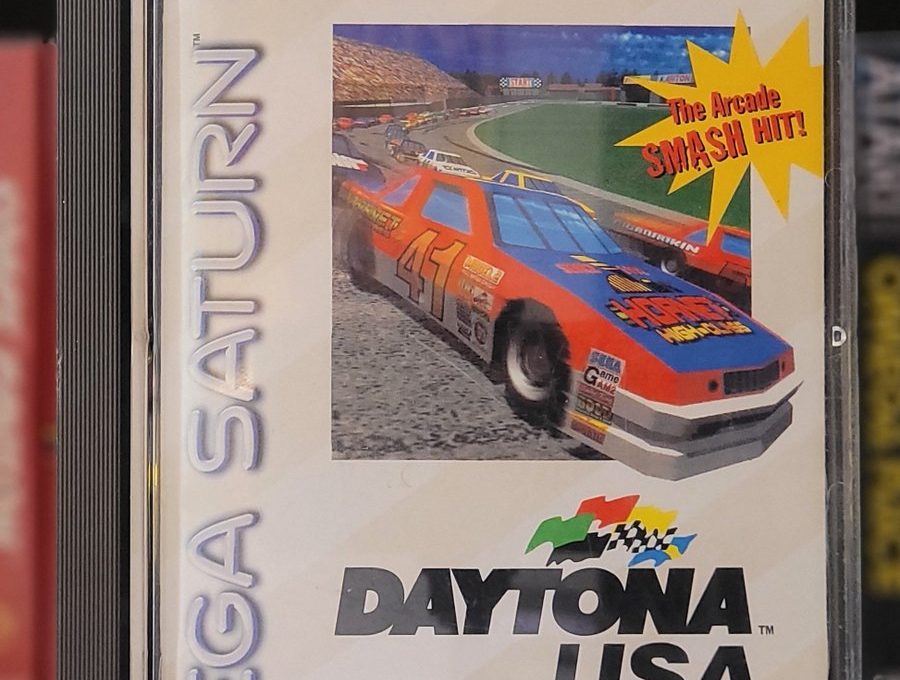
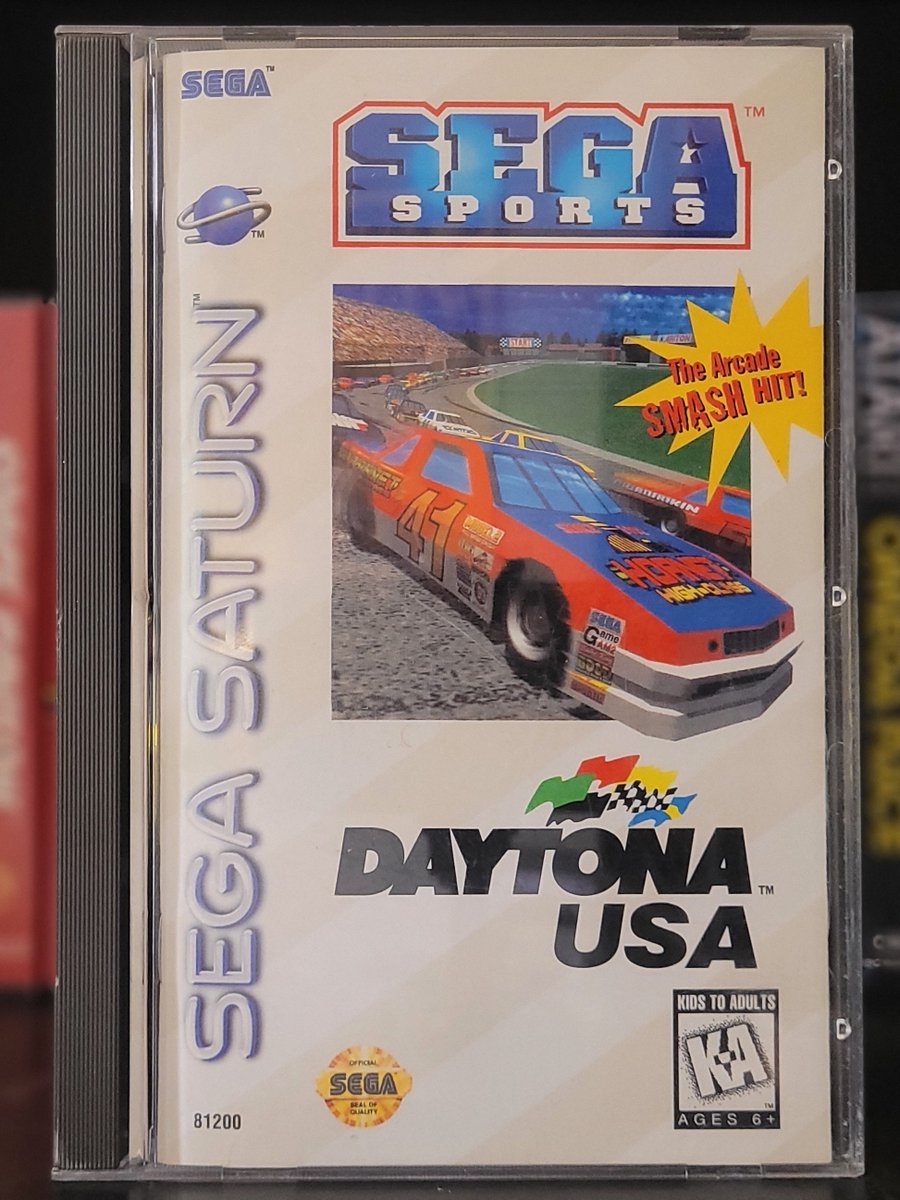
🏎️🏁Racers, start your engines! It’s 1995, the Sega Saturn is roaring onto the scene, and leading the charge is Daytona USA, a port of Sega’s arcade smash hit. Developed by Sega AM2, this wasn’t just a racing game; it was a promise of arcade-perfect thrills in your living room. The reality, however, was a bit more… nuanced.
Daytona USA in the arcades was a revelation. Powered by Sega’s Model 2 board, it boasted stunning 3D graphics, a buttery smooth 60 frames per second, and the ability to link up to eight cabinets for epic multiplayer races. The Saturn version aimed to capture that magic, but the console’s dual-CPU architecture proved a tricky beast to tame. The port, rushed to meet the Saturn’s launch, was a testament to Sega’s ambition, but also a victim of its own tight deadlines.
The result? A beautifully flawed masterpiece. The frame rate took a nosedive, plummeting to a choppy 20-24 frames per second. Polygons were sacrificed, textures were downgraded, and the draw distance shrank, leading to the infamous “pop-in” where scenery would materialize just feet in front of your car. Despite these compromises, Sega bet big on Daytona USA, banking on its arcade pedigree to sell Saturns.
The core gameplay, however, remained thrilling. You gripped the wheel of the iconic Hornet, a stock car emblazoned with number 41 (a nod to director Toshihiro Nagoshi’s lucky number), and battled against up to 39 AI opponents across three classic tracks: the beginner-friendly Three Seven Speedway, the technically demanding Dinosaur Canyon, and the expert-level Seaside Street Galaxy. The choice between automatic and manual transmission added a layer of depth, with manual offering higher top speeds for those skilled enough to master the gears.
Beyond the arcade mode, the Saturn version offered exclusive extras: a Saturn mode with no time limit and four different Hornet color variations, plus Endurance and Grand Prix modes with pit stops and damage modeling. Sadly, the arcade’s eight-player multiplayer was absent, a casualty of the Saturn’s hardware limitations.
The graphics, while a clear downgrade from the arcade, retained a certain charm. The vibrant color palette and the sense of speed, even at a lower frame rate, were undeniable. But it was the sound that truly shone. Takenobu Mitsuyoshi’s iconic soundtrack, remixed for CD quality, was an absolute banger. “Let’s Go Away,” “Sky High,” and “Pounding Pavement” became instant classics, their infectious melodies and Mitsuyoshi’s enthusiastic vocals etching themselves into the memories of a generation.
Daytona USA on the Saturn received a mixed reception. Contemporary reviews were generally positive, praising the gameplay and the music while acknowledging the graphical shortcomings. However, the technical compromises, particularly the frame rate and pop-in, became increasingly apparent as time went on, especially in comparison to smoother racing games on rival consoles.
Despite its flaws, Daytona USA on the Saturn remains a beloved classic. It’s a testament to Sega’s ambition, a snapshot of a pivotal moment in gaming history. It’s a game that, despite its technical limitations, captured the heart and soul of the arcade original. So, did you ever burn rubber on the Saturn’s version of Daytona? What are your memories of this iconic, if imperfect, racer?🏁🏎️
Source by Aaron Hagel