
The new patents affects possible open world games like Zelda, Super Mario, Donkey Kong etc. Interesting read. Here is the breakdown.
Here’s a detailed analysis of how this patent (US Patent Application Publication 20250001304) relates to potential functionalities in gaming, particularly with respect to the Nintendo Switch 2:
Key Components of the Patent:
Terrain Object Allocation:
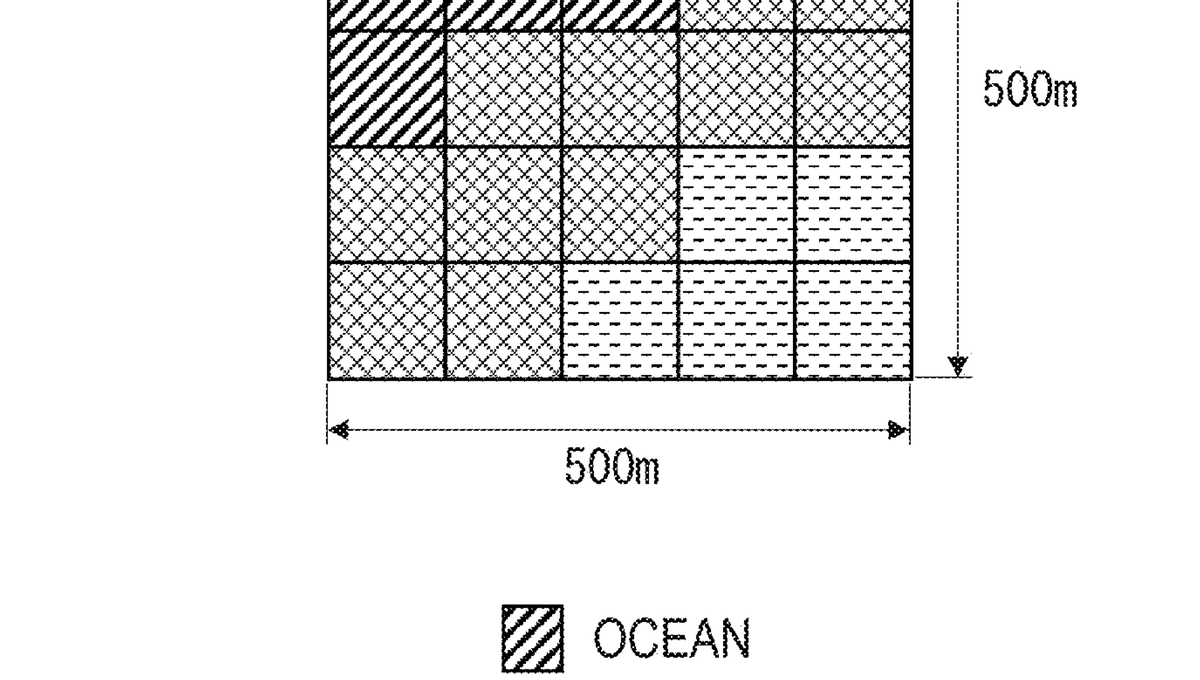
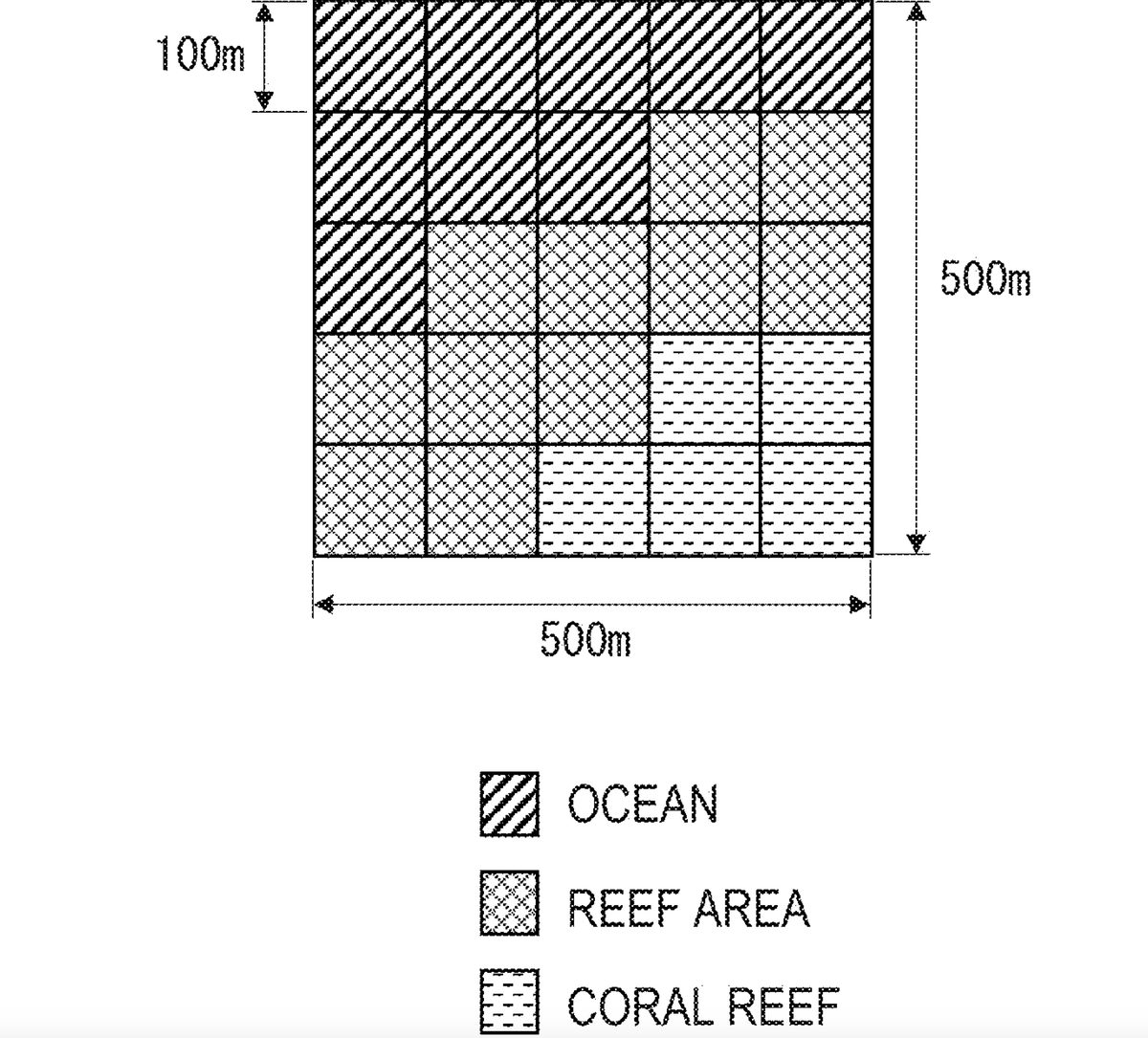
Terrain Object Allocating Unit 42: Automatically selects and allocates terrain objects from a pool of candidates to different areas in a 3D virtual space. This process is designed to be random yet controlled, ensuring variety in landscape generation.
Height Parameter Determination:
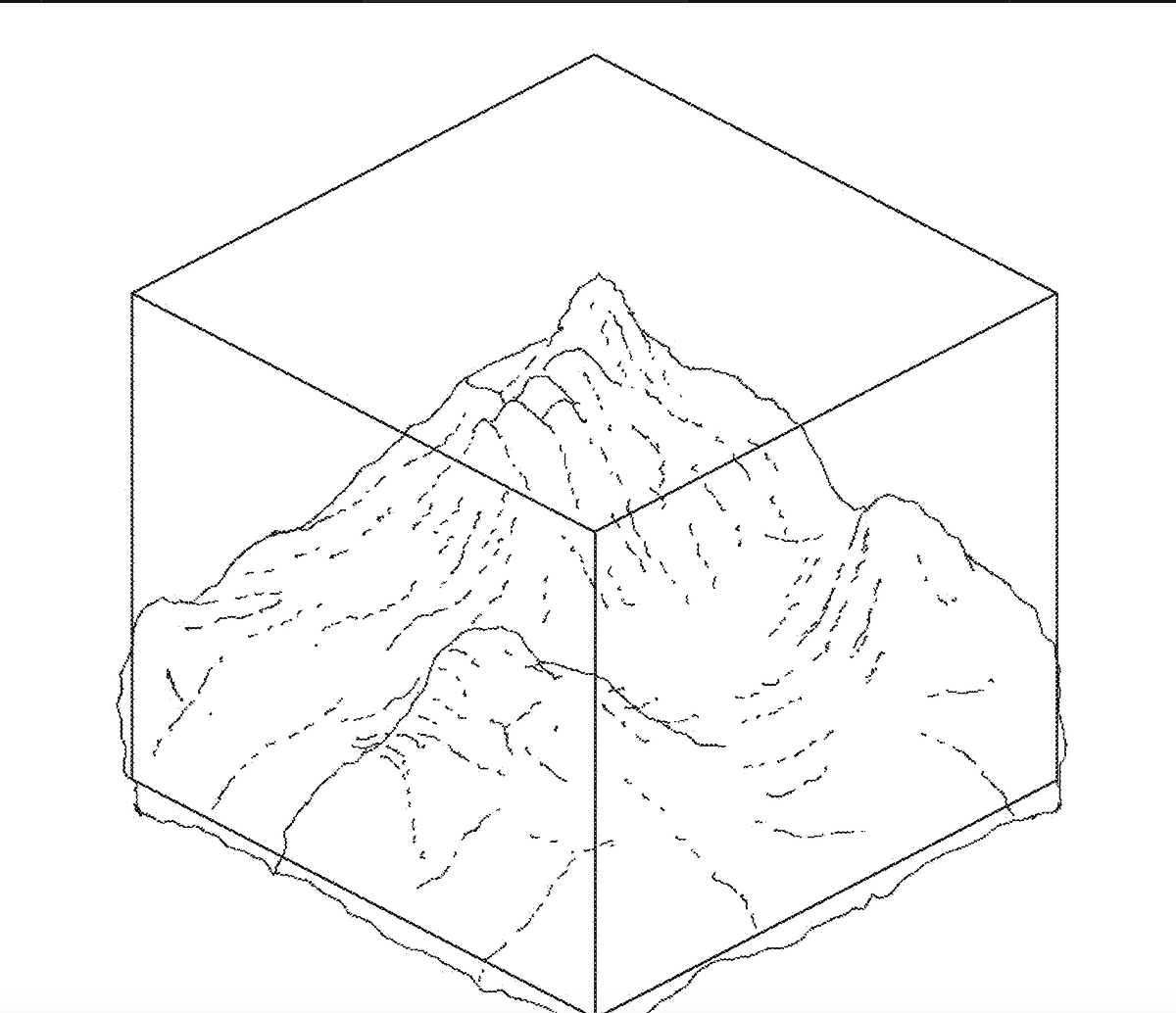
Height Parameter Determining Unit 43: Automatically decides the height at which each terrain object is placed, adding vertical variation to the environment. This height parameter is mapped within ranges specific to each terrain object for coherence.
Terrain Generation:
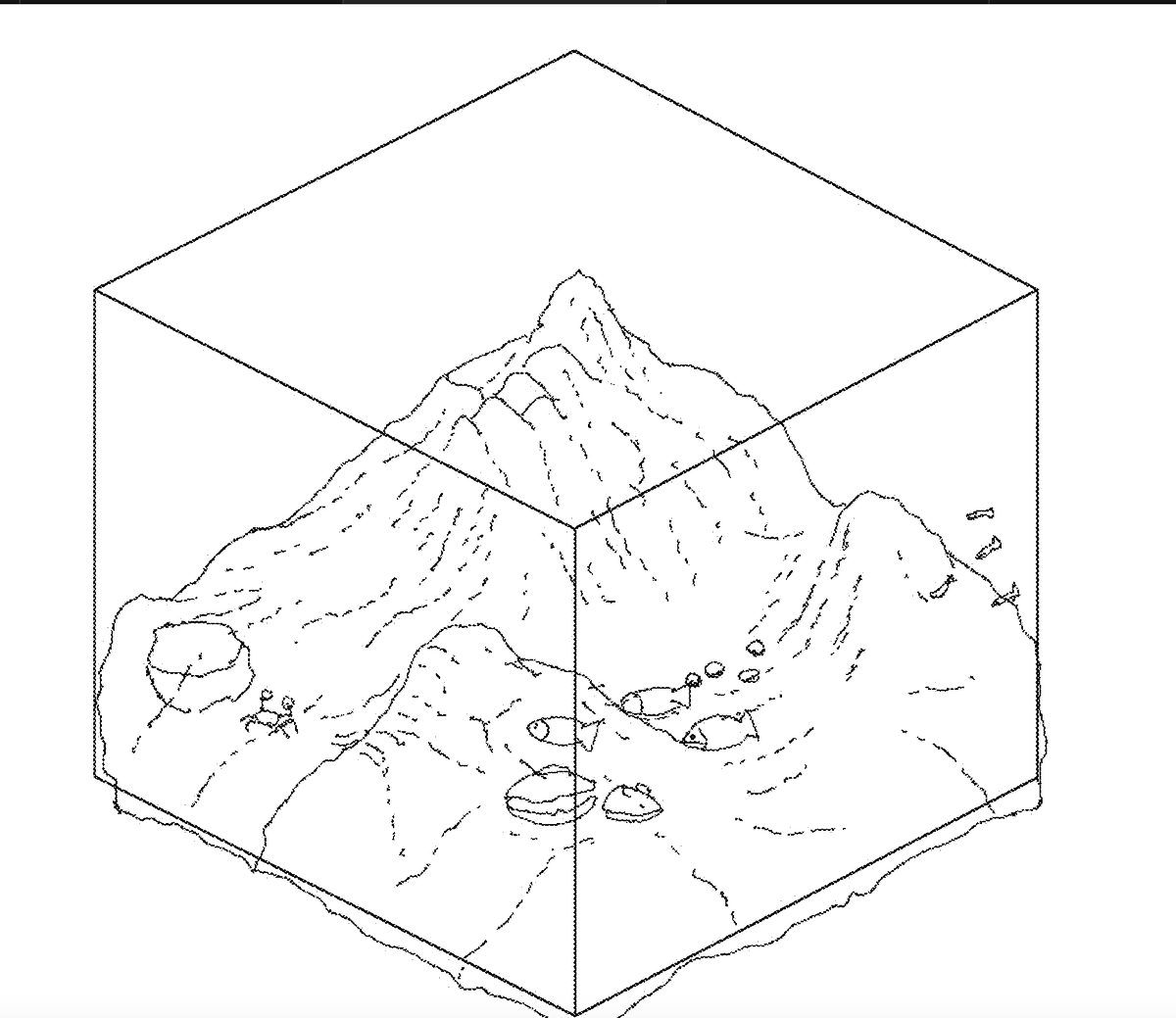
Terrain Generation Unit 45: Synthesizes the virtual terrain by placing the selected and positioned terrain objects, thus creating a diverse and dynamic landscape.
Environmental Object Arrangement:
An optional but significant feature involves arranging environmental objects (like flora, fauna, or structures) on or around these terrains, enhancing the realism and interactivity of the environment.
Relation to Switch 2:
Procedural Generation for Games:
This patent could be crucial for games on the Switch 2 that require expansive, varied worlds without the need for manual design for each instance. Games like open-world adventures, survival games, or even strategy games could benefit from this technology for creating unique terrains each playthrough or session.
Enhanced Player Experience:
By allowing for automatic generation of varied landscapes, the patent supports:
Replayability: Each game session could offer a new challenge with different terrains.
Exploration: Encourages players to explore new areas in each session, maintaining interest over time.
Performance Optimization:
The system reduces the need for pre-designed, static environments, which can save on storage and potentially improve load times by generating terrain on-the-fly. This could be particularly advantageous for the Switch 2, considering its potential hardware capabilities.
Customization and Dynamic Gameplay:
The ability to adjust terrain based on session parameters or game progress could lead to dynamic gameplay where the environment reacts to player actions or game state, like altering landscapes based on weather or time of day.
Multiplayer Implications:
For online play, this system could generate unique worlds for each session, ensuring that players in multiplayer modes experience different strategic landscapes, enhancing the competitive or cooperative aspects of gameplay.
Integration with Game Mechanics:
The varied terrain could integrate directly with game mechanics, affecting how players move or strategize, especially in games where terrain affects gameplay mechanics like physics, visibility, or pathfinding.
Aesthetic and Artistic Freedom:
Developers could use this system for artistic expression, creating worlds that match specific game themes or narratives without extensive manual design, thus allowing for more focus on gameplay and story.
Speculative Use Cases:
Scenario-based Games: Games where the terrain affects mission objectives, like in survival or tactical games where players must adapt to or navigate through dynamically generated environments.
Educational or Simulation Games: For educational purposes, this could be used in simulations where learning involves navigating or managing diverse landscapes, like in ecological or geological studies.
Conclusion:
This patent could signify Nintendo’s interest in enhancing the procedural generation capabilities for their next console, the Switch 2, particularly for games that benefit from dynamically generated, diverse environments. However, without explicit confirmation, these are speculative applications based on the patent’s content.
Source by Mike Odyssey