
Iron Storm: Strategic Depth, Historical What-Ifs, and a Charitable Twist
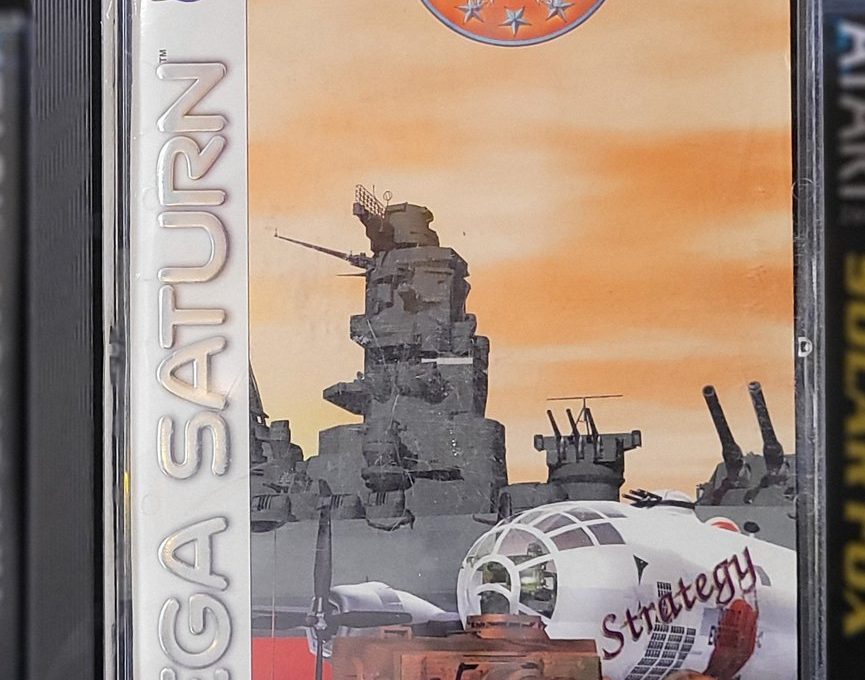
🌎When it comes to World War II strategy games, Iron Storm for the Sega Saturn marches to the beat of its own drum – or perhaps more appropriately, to the rumble of its own customizable tanks! Released in Japan in 1995 and making its way to North American shores in 1996, this fascinating entry in the Daisenryaku series lets players step into the commanding boots of the United States, Germany, or Japan to potentially rewrite the course of history.
Imagine sitting in your war room, plotting moves across a hexagonal battlefield while commanding everything from nimble fighter planes to mighty battleships. Each unit can be tweaked and customized to your heart’s content, making every decision feel like you’re truly crafting your own path to victory. With over 50 historical battles at your disposal, you might find yourself wondering, “What if Germany had won the Battle of Britain?” or “Could Japan have turned the tide at Midway?” These aren’t just idle musings, they’re actual possibilities within the game’s branching narrative structure.
Developed by Sega and brought to Western audiences by the ever-innovative Working Designs, Iron Storm stands out not just for its deep strategic gameplay but also for its unexpected charitable connection. In a touching move that added real-world significance to this virtual conflict, Working Designs donated 50 cents from every copy sold to the National Holocaust Museum in Washington, D.C.
The game earned its stripes with critics and strategy enthusiasts alike, though it’s not for the faint of heart. Its complex systems and deep tactical requirements might send casual players running for the hills, but those who stick around are rewarded with one of the most engaging war simulations of its era. The addition of real-time 3D battle animations (which you can toggle on or off, depending on your patience for dramatic flair) brings extra life to every encounter.
Whether you’re carefully managing your resources, upgrading your units through combat experience, or plotting your next massive offensive, Iron Storm keeps you engaged with its intricate mechanics and historical authenticity. The local multiplayer option lets you test your strategic mettle against a friend, though you’ll have to share the same couch, this was 1996, after all!
Iron Storm has innovative “what-if” scenarios that can dramatically alter the course of World War II, which single historical battle in the game do you think, if changed, would create the most fascinating alternate timeline, and why would you choose to play it out?🌎
Source by Aaron Hagel